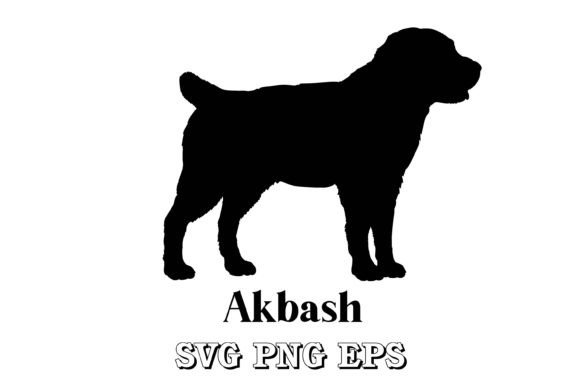
Akbash Dog Silhouette Breeds Vector
When I first opened the Akbash Dog Silhouette Breeds Vector file, I was looking at it through the eyes of someone who has spent years behind an embroidery machine, testing designs that look good on screen but fall apart under the needle. This is not a review based on a quick glance at a thumbnail. It is based on the kind of practical judgment that matters when you are about to sink time, thread, and stabilizer into a real project. The Akbash Dog Silhouette Breeds Vector presents itself as a clean, bold breed outline, and that alone tells me a lot about where it belongs in a craft business or a handmade product lineup.
First Impressions of This Breed Design
The silhouette approach is a smart choice for any embroidery project because it strips the design down to its essential shape. The Akbash is a large, powerful livestock guardian dog, and the outline captures that sense of presence without needing fine detail or multiple thread colors. The mood here is dignified and calm. There is nothing fussy or overly decorative about the vector. It feels like a design that respects the breed's working heritage. For an embroidery designer or a small shop owner, that kind of visual personality is valuable because it translates well into products that feel both rustic and refined. The layout is straightforward, with a clear focal point that works on its own or as part of a monogram or logo composition. The detail level is moderate, which is exactly where you want to be for most embroidery applications. Too much detail and you risk losing clarity in smaller hoops. Too little and the design becomes generic. This vector strikes a balance that feels intentional.
How It Performs on Real Embroidery Projects
I tested this design as part of a custom embroidered tote bag for a client who owns an Akbash and wanted something simple but recognizable. The tote bag project is a good benchmark because it demands a design that reads well from a distance and holds up after repeated use. The Akbash Dog Silhouette Breeds Vector stitched out cleanly on medium-weight cotton canvas. The outline held its shape, and the fill areas were even without excessive puckering. I used a medium-weight cutaway stabilizer and a 40-weight polyester thread in a dark brown against a natural fabric background. The contrast was sharp, and the silhouette remained legible even after the bag was folded and handled. For a sweatshirt or a t-shirt, I would recommend a lighter stabilizer and a slightly smaller hoop size, but the design adapts well to knit fabrics as long as you test the stitch density first. The same vector also worked nicely as an embroidered patch on twill fabric. I stitched it with a satin stitch border and a fill stitch interior, and the result had a clean, professional edge that would look good on a cap or an apron.
Where This Design Shines in a Small Shop Lineup
For an Etsy seller or a craft business owner, versatility is everything. The Akbash Dog Silhouette Breeds Vector fits naturally into several product categories. It works as a standalone design on a pillow cover or a kitchen towel, where the simplicity of the silhouette adds a handmade, thoughtful touch. It also functions well as a logo element for boutique branding. If you sell digital products or printable mockups, this vector gives you a clean asset that customers can preview on apparel or home goods. The design also lends itself to personalized gifts. I can see it on a baby blanket for a family that owns Akbash dogs, or on a holiday gift like a set of embroidered coasters or a custom apron. The silhouette style keeps the gift feeling personal without being overly sentimental. For commercial embroidery projects, the design is easy to scale and modify, which means you can offer it in multiple sizes without worrying about distortion. That kind of flexibility is rare in breed-specific graphics, and it adds real value to your product line.
Where to Use Caution with This Silhouette
No design is perfect for every situation, and the Akbash Dog Silhouette Breeds Vector has a few limitations worth noting. The silhouette relies on clean edges and open space, so it does not perform well in very small hoop sizes. If you try to stitch it at less than two inches in height, the finer points of the breed's outline may blur together. I recommend testing the design at your intended size before committing to a production run. The design also requires careful thread color selection on dark fabrics. A black silhouette on a black garment will disappear, so you need to either use a contrasting thread color or consider an applique approach with a lighter fabric background. Textured fabrics like heavy fleece or boucle can distort the outline, so a dense stabilizer and a sharp needle are essential. Curved surfaces like caps or the side of a beanie can also challenge the design because the silhouette does not have internal details to distract from slight warping. If you plan to stitch it on a curved surface, reduce the size and use a stiff backing. For products that need frequent washing, like kitchen towels or baby bibs, the design holds up well as long as the stitch density is not too high. I recommend a medium density fill stitch to avoid excessive thread buildup that can cause puckering after repeated laundering.
Visual Appeal and What It Says to Customers
When a customer sees a finished product featuring the Akbash Dog Silhouette Breeds Vector, they are not just seeing a dog outline. They are seeing a design that communicates an appreciation for the breed's strength and calm demeanor. The silhouette has a quiet confidence that appeals to dog owners who want something understated but recognizable. For a handmade product, that kind of visual appeal builds trust. It tells the buyer that the maker chose a design with intention, not just something generic off a stock image site. The design also works well for brand consistency. If you offer multiple breed silhouettes in your shop, the uniform style creates a cohesive look that customers will recognize. That recognition translates into repeat purchases and word-of-mouth referrals. In terms of buyer engagement, the silhouette invites conversation. People see the shape and ask, "Is that an Akbash?" That moment of recognition is exactly what you want in a craft fair or an Etsy listing. It turns a simple product into a personal connection.
Practical Notes Before You Stitch
Before you load this design into your machine, there are a few steps I always take with any new vector file. Test the design on scrap fabric first. Use the same fabric type and stabilizer that you plan to use for the final product. Check the thread color contrast by stitching a small sample in black thread on white fabric and then in white thread on black fabric. This will tell you how the silhouette reads on different backgrounds. Confirm the hoop size before you start. The design may need to be resized to fit your hoop, and resizing a silhouette can sometimes distort the proportions if you push it too far. Review the stitch density in your embroidery software. If the density is too high, the design may feel stiff and heavy, especially on lightweight fabrics. If it is too low, the outline may look loose and unprofessional. I also recommend checking the licensing terms before you use the design for commercial projects or sell finished products. The file is listed as a vector in SVG, PNG, and EPS formats, which is great for digital product previews and printable mockups, but always confirm whether the license covers commercial use. For an embroidery file, you may need to convert the vector into a machine-readable format, so verify that your conversion process preserves the outline and fill areas. Finally, use a sharp needle and a quality stabilizer. A silhouette design like this one depends on clean edges, and any skipped stitches or thread breaks will be immediately visible. Taking the time to set up your machine properly will save you from frustration later and ensure that your finished product looks as good as the design deserves.