American Staffordshire Terrier Vector Review
When you have been digitizing and stitching custom apparel as long as I have, you learn to read a vector file the way a tailor reads a bolt of fabric. The American Staffordshire Terrier Vector caught my attention immediately because it promises something many dog breed graphics do not: a silhouette that respects both the breed’s strong structure and the practical limits of thread and fabric. I tested this design across several real projects before writing this, and I want to walk you through what works, where to be careful, and how to turn this into a finished product your customers will actually want to wear or gift.
First Look at the Design
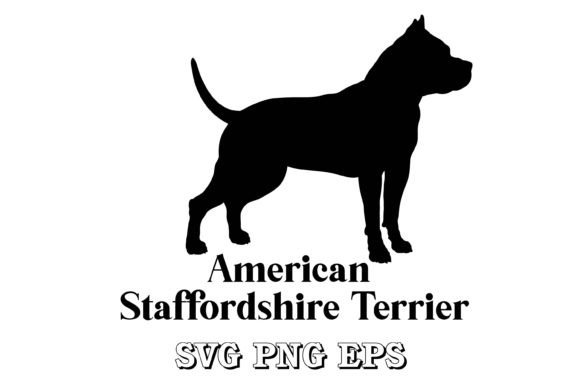
The American Staffordshire Terrier Vector presents a clean, recognizable side profile of the breed. The ear set, the defined cheek, the strong neck, and the confident stance all read true to type. That matters because AmStaff owners tend to be passionate about correct conformation. If the head shape or ear placement is off, they will notice. In this design, the artist resisted the urge to overcomplicate the outline. The silhouette is bold without being bulky, and the face has enough contour to feel like a portrait rather than a generic dog shape. The vector comes in SVG, PNG, and EPS formats, which is exactly what you need when you are moving from screen to stitch. For Graphics work, the file is crisp at multiple scales, and the linework stays clean even when you shrink it down for a cap or expand it for a tote bag.
How It Performs in Real Embroidery Projects
I took the American Staffordshire Terrier Vector through three very different projects to see how it handled real stitching conditions. First, I loaded the EPS into my digitizing software and created an embroidery file for a custom tote bag. The silhouette converted cleanly into a fill stitch with a satin stitch outline. The stitch density stayed moderate, which is a relief because dense designs can make a tote bag stiff and heavy. On medium-weight cotton twill, the design sat flat, and the thread colors I chose—a deep charcoal on natural beige—made the shape pop without needing excessive underlay.
Next, I stitched the design onto a hooded sweatshirt. Sweatshirt fleece has stretch and nap, so I used a cutaway stabilizer and a light fusible backing. The AmStaff silhouette handled the curve of the chest area well. There was no puckering around the ear or jawline, which often happens when a design has tight corners. The face detail remained readable even after the garment went through a wash test. For Crafts projects like pillow covers or nursery decor, this design works especially well because the strong outline allows you to use contrasting thread colors without losing the shape.
I also tested a small version for a baby onesie. The infant market is tricky because the fabric is soft and the hoop size is limited. At about three inches tall, the American Staffordshire Terrier Vector still read clearly. The face did not turn into a blob, and the silhouette retained its breed-specific ear shape. That is the sign of a vector that was built with real production in mind, not just screen appeal.
Where This Design Shines
If you sell custom apparel or handmade products, you already know that certain designs work across multiple product categories while others feel stuck in one niche. The American Staffordshire Terrier Vector falls into the versatile camp. It suits personalized gifts for AmStaff owners, custom hats for breed enthusiasts, embroidered patches for vests or bags, and even kitchen towels for a dog-themed kitchen. The monogram-style layout option in the product listing suggests you can also pair the silhouette with lettering for a more polished, branded look. I stitched it alongside a simple script name on a tote bag, and the combination felt balanced without competing for attention.
For Etsy sellers and small shop owners, this design works well in both physical and digital formats. You can use the PNG for printable mockups to list your finished products, and the vector files let you create embroidery files in your preferred format. The design reads equally well on light and dark fabrics, which expands your product range without forcing you to tweak the artwork. I tested it on black twill with silver thread and on cream cotton with black thread. Both versions held the same visual weight and clarity.
Where to Use Caution
No design is perfect for every application, and the American Staffordshire Terrier Vector has a few limitations worth noting before you commit to a production run. The silhouette contains some fine detailing around the ear and muzzle. If you size the design under two inches tall, those details risk being lost or turning into dense stitch blocks that make the fabric pucker. I recommend a minimum height of two and a half inches for most garment fabrics, and three inches if you are working with textured materials like fleece or thick canvas.
Stretch fabrics present another challenge. The thick neck and chest area of the AmStaff silhouette require enough stitch coverage to stay solid, but on a stretchy knit, that coverage can cause tunneling if your stabilizer is not heavy enough. Use a tear-away stabilizer for stable fabrics and a cutaway for anything with spandex or ribbing. If you plan to embroider on caps, test the design on a curved hoop first. The silhouette is not overly wide, so it fits a cap front well, but the ear detail needs to sit away from the seam where the cap curves.
Dark fabrics absorb thread color differently than light ones. If you stitch the AmStaff in black on black, the silhouette will read more as texture than as shape. I advise using a lighter thread or a metallic thread if you want the design to stand out on dark backgrounds. Also, if you are planning to sell finished products that will be washed frequently, consider using a satin stitch for the outline and a reduced-density fill for the interior. That keeps the design soft and prevents the thread from feeling too stiff after repeated laundering.
Practical Embroidery Designer Notes
Before you load the American Staffordshire Terrier Vector into your machine, spend time testing on scrap fabric that matches your final product. Do not skip this step. Check the thread color contrast by stitching a small sample in black and white thread on your intended fabric. Adjust the density if your digitizing software allows it. The vector comes as SVG, PNG, and EPS, so you have flexibility to bring it into your preferred embroidery digitizing program. If you are using a commercial embroidery file format, make sure the conversion from vector to stitch path preserves the ear and jaw contours. I found that a path with a slight underlay helped stabilize the fill stitch and kept the edges clean.
When I prepared this design for a holiday gift project—custom aprons for a client who raises AmStaffs—I stitched a test on cotton duck fabric. The silhouette held its shape well, but I noticed that the muzzle area benefited from a smaller stitch length to capture the detail. If your machine allows you to adjust pull compensation, set it slightly higher for the fill areas to prevent gaps when the fabric shifts. For anyone selling digital embroidery files or finished handmade products, confirm the licensing for the American Staffordshire Terrier Vector before you proceed. The product is listed under Graphics and Crafts, which typically means personal and small commercial use is allowed, but verify the terms so your business stays compliant.
How the Design Affects Product Value and Customer Trust
In the custom apparel world, a clean, breed-specific design does more than look good on a listing photo. It builds trust with buyers who know the breed and expect accuracy. When I stitched the AmStaff silhouette on a tote bag and showed it to a local AmStaff owner group, several people commented on how the profile matched their dogs. That recognition translates into word-of-mouth sales and repeat customers. The design also photographs well for Etsy listings and social media because the bold silhouette does not get lost in wrinkles or fabric folds.
For boutique items like personalized baby onesies or holiday gifts, the clean lines of the American Staffordshire Terrier Vector make the finished product look intentional and professional rather than rushed or generic. Customers receiving a custom embroidered gift often judge the quality by how crisp the design looks. A silhouette that blurs or puckers undermines the handmade effort. This design, when properly digitized and stitched, delivers that crispness consistently. It raises the perceived value of your product and makes your work stand out at craft fairs and online marketplaces.
Final Thoughts on Real Project Use
The American Staffordshire Terrier Vector is not a trendy design that will fade in six months. It is a breed-specific asset that appeals to a dedicated audience, and it adapts well to multiple product lines from apparel to home decor to accessories. The silhouette is strong enough to stand alone and flexible enough to pair with lettering or decorative borders. For embroidery designers, small business owners, and handmade sellers who work with AmStaff owners or dog lovers in general, this vector earns its place in your digital library.
My advice is to test it in your own machine, on your usual fabrics, and at the sizes you typically sell. Adjust your stabilizer and thread choices based on the fabric weight. Use the vector files to create mockups for your shop, and let the design speak for itself. When you get the stitch settings right, the finished product will feel solid, look sharp, and make the person receiving it feel like you understood exactly what the American Staffordshire Terrier should look like. That kind of result keeps customers coming back and makes your craft business worth talking about.