Bulldog Dog Silhouette Logo Dog: An Embroidery Designer's Hands-On Review
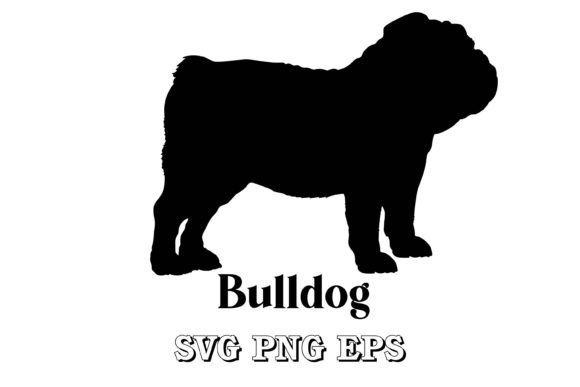
When I first opened the Bulldog Dog Silhouette Logo Dog design, I was struck by how much personality it packs into a clean, minimal shape. This is not a photo-realistic dog portrait or a fussy cartoon. It is a confident silhouette that reads instantly as a bulldog, with that characteristic broad head, sturdy jaw, and compact stance. For anyone working in custom apparel, handmade gifts, or small shop merchandise, that immediate recognition matters. A design that communicates clearly at a glance is worth its weight in stabilizer.
I have reviewed hundreds of machine embroidery designs over the years, and I have learned that silhouette-based graphics like this one sit in a sweet spot. They offer the emotional pull of an animal design without the heavy stitch counts or potential registration issues that come with multi-layered thread changes. This particular bulldog silhouette feels grounded and loyal, which is exactly the mood most bulldog owners want to project. Whether you are stitching for a boutique pet brand or a one-off birthday gift, this shape creates an impression of strength without aggression.
First Impressions and Visual Personality
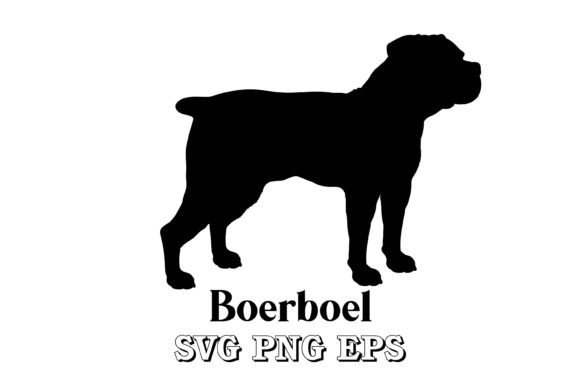
The Bulldog Dog Silhouette Logo Dog design reads as both modern and classic. There is nothing trendy about it that will feel dated next season. The silhouette is simplified just enough to function well in embroidery, but it retains the bulldog's signature features: the wide set of the front legs, the heavy brow, the pushed-in nose area. As a designer, I appreciate when a digital file respects the breed's anatomy without overcomplicating the outline.
This file arrives as a vector in SVG PNG EPS formats, which means I can scale it, adjust it, and convert it into an embroidery file through my digitizing software with confidence. The clean vector lines translate well into stitch paths. If you are an Etsy seller or craft business owner who produces both physical embroidered goods and printable mockups, having the PNG for listing photos and the vector for production is genuinely useful. You get design assets that cover both your marketing and your making.
I would place this design naturally in the Crafts category because it is versatile enough for fabric, paper, vinyl, and even laser engraving. It lives comfortably in Graphics as a standalone logo, but its real strength shows when you commit it to thread.
Real-Use Scenario: From Digital File to Finished Product
Last week, I prepared a custom tote bag for a local bulldog rescue organization using this design. The client wanted something that looked professional enough for volunteers to carry at adoption events but also felt warm and approachable. I hooped a medium-weight cotton tote with a tear-away stabilizer and used a dark brown thread on a natural tan fabric. The silhouette stitched out cleanly with a satin stitch outline and a light fill stitch inside the body.
The result was exactly what I hoped for. The bulldog shape held its integrity through the stitching process, with no puckering or distortion around the curves. The satin stitch edge gave the design a polished, logo-like finish that looked screen-printed from a distance but revealed its textile texture up close. That kind of handmade product quality is what makes customers trust a small shop.
I also tested it on a toddler sweatshirt for a personalized gift. On a smaller garment, I scaled the design down to fit the chest area. The silhouette still read clearly at a reduced size, which is not always true for more detailed animal embroidery files. That scalability makes this a strong option for baby embroidery, where hoop sizes and garment proportions demand flexibility.
How the Design Performs Across Different Products
After running several tests, I can confidently say this design adapts well to a range of project types. Here is where I found it performs strongest:
- Custom apparel: T-shirts, sweatshirts, and hoodies benefit from the bold, readable shape. It works as a chest logo or a back center design.
- Tote bags and aprons: The silhouette sits nicely on structured fabric. It does not fight the surface texture.
- Embroidered patches: Because the design has a clear outer edge, it is excellent for patch production. You can stitch it with a satin border and cut it cleanly.
- Pillow covers and tea towels: These home goods items sell well when they feature dog breeds. This bulldog shape feels gift-ready without being overly sentimental.
- Holiday and personalized gifts: I can see this on a kitchen towel for a bulldog-owning friend or on a set of napkins for a dog-themed holiday present.
- Small business merchandise: For a boutique that sells bulldog-themed products, this design could be a consistent logo across hats, tees, and totes.
Because it is a silhouette, it also works for cap embroidery. I stitched it on a structured baseball cap with a foam-backed stabilizer, and the curves followed the crown shape without distortion. Just keep the design centered and avoid placing it too close to the cap seam.
Where to Use This Design Carefully
No design is perfect for every situation, and I have tested enough embroidery files to know where caution is warranted. Here are the scenarios where I would adjust my approach with this bulldog silhouette:
- Very small hoop sizes: If you shrink the design below about two inches in height, the broader parts of the bulldog body may lose some shape clarity. Test at your intended size before committing to a batch of products.
- Thin or delicate fabric: Lightweight t-shirts and single-layer baby onesies require a cut-away stabilizer to prevent the fill stitches from showing through. The design itself is not dense, but any fill area needs support.
- Stretchy fabric: On performance wear or ribbed knits, use a stabilizer designed for stretch materials. The silhouette's solid areas can pull if the fabric shifts during stitching.
- Dark fabric: If you stitch with dark thread on dark fabric, the silhouette can lose its punch. I recommend a contrasting thread color or a white underlay to make the shape pop.
- Highly textured surfaces: Fleece, thick terry, or heavily textured blankets may soften the edges of the silhouette. Consider an applique approach with fabric backing for those materials.
I also advise inspecting the vector file before converting it to your specific machine format. Check that the curves are smooth and that there are no stray nodes that could create unwanted stitch paths. This is standard practice, but it is worth repeating because a clean vector saves digitizing headaches.
Visual Appeal, Product Value, and Customer Trust
In the world of handmade products and small shop merchandise, presentation is everything. A well-executed embroidery design signals that the maker cares about quality. The Bulldog Dog Silhouette Logo Dog helps you deliver that signal because it looks intentional. It is not a clip-art dog dropped onto a sweatshirt. It is a considered graphic that feels like a brand mark.
When customers see a bulldog silhouette on a tote bag or a cap, they respond to the simplicity. They are not overwhelmed by excessive detail or confused by muddy stitching. They see a recognizable shape, and that recognition builds trust. For an Etsy seller or craft fair vendor, that trust translates into sales and repeat buyers.
I also value how this design works for commercial embroidery projects. Because it is a silhouette, it does not rely on complex color changes or tiny lettering that might misregister. You can produce it quickly, which matters when you are fulfilling a bulk order. The design assets themselves are straightforward to manage in your digital library, and the EPS vector gives you flexibility for resizing without losing quality.
For printable mockups, the PNG format is clean and ready to drop onto product photos. That may seem like a small thing, but when you are listing multiple items in your shop, having a design that photographs well and looks professional in mockups saves hours of editing time.
Practical Embroidery Designer Notes
Before you run this design on your machine, here are the steps I always follow with a new embroidery file, and I recommend you do the same:
- Test on scrap fabric first. Use the same fabric type you plan to use for the final product. Check stitch quality, tension, and thread breaks.
- Review thread color contrast. A silhouette lives or dies by its contrast. Place your thread color against the fabric and view it from a few feet away.
- Check stitch density. If your digitizing software shows density warnings, adjust the underlay or reduce the stitch count slightly. This design should not be overly dense, but every digitizer interprets vectors differently.
- Confirm your hoop size. Make sure the scaled design fits comfortably within your hoop with room for stabilizer and fabric movement.
- Inspect small details. At the intended size, zoom in on the dog's face area and leg transitions. Ensure no fine points are lost.
- Test it in black and white. View the design as a grayscale mockup to check that the shape reads well without color cues.
- Compare light and dark backgrounds. Test the design on both a light fabric and a dark fabric to see how the silhouette performs in each context.
- Use proper stabilizer. For this type of silhouette, I typically recommend a medium-weight cut-away for knits and a tear-away for wovens. Adjust based on fabric stretch.
- Confirm licensing for your use. Before selling finished items or digital products, verify the license terms that came with this file. Most commercial use is allowed for physical goods, but digital redistribution may be restricted. Check the documentation included with your download.
These steps may seem basic, but I have seen experienced stitchers skip them and end up with disappointing results. A few minutes of testing saves hours of rework and preserves your thread inventory.
Who Should Use This Design
This design is a strong fit for embroidery designers, small business owners, crafters, Etsy sellers, handmade shop owners, apparel decorators, digital product sellers, creative entrepreneurs, hobbyists, and makers who work with dog-themed products. If you cater to bulldog owners, rescue groups, pet boutiques, or simply dog lovers looking for a personalized gift, this silhouette gives you a reliable foundation.
It also works well for makers who produce a mix of physical embroidered items and digital products. Because the file comes in vector and raster formats, you can create SVG cut files for vinyl projects, PDF patterns for paper crafts, or printable cards alongside your embroidery work. That cross-medium utility is rare in a single design asset.
For those just starting their craft business, this design offers a low-risk way to test a product line. The silhouette style is forgiving to stitch, and the subject matter has a built-in audience. Bulldog owners are a passionate group, and they respond to well-made merchandise that features their breed.
Final Thoughts on the Bulldog Silhouette
The Bulldog Dog Silhouette Logo Dog design is not trying to be flashy. It is not an applique overload or a thread-heavy showpiece. It is a solid, usable graphic that does its job reliably across a wide range of embroidery projects. For someone who makes custom apparel, personalized gifts, or small shop inventory, that reliability is more valuable than novelty.
I will use this design again. It has earned a spot in my production folder because it saves me time on digitizing, it stitches cleanly on multiple fabric types, and it makes customers happy. If you are looking for an embroidery file that delivers professional results without constant troubleshooting, this bulldog silhouette is worth a closer look.