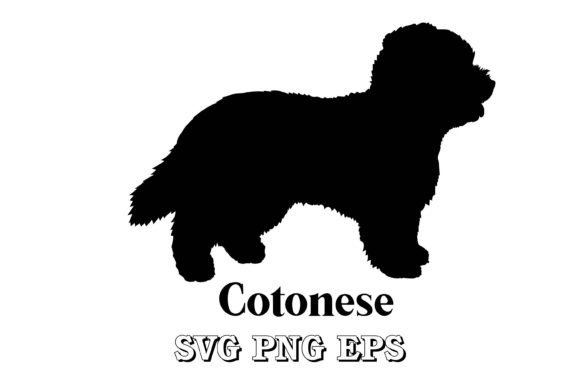
Cotonese Dog Silhouette for Embroidery Projects
When I first opened the Cotonese Dog Silhouette Dog Breeds design file, I was looking for something that could work across multiple product types without losing its charm. I run a small embroidery shop from my home studio, and I have tested dozens of dog breed designs over the years. Some are overly detailed and turn into a thread mess after the first wash. Others are too simple and feel generic. This silhouette sits in a sweet spot that I want to walk through from a practical, real-world stitching perspective.
First Impressions and the Mood It Creates
This design captures the rounded, soft silhouette of the Cotonese breed with a clean, logo-like simplicity. The face shape is distinct without being fussy, and the overall outline feels gentle and elegant. It does not scream for attention. Instead, it sits quietly on the fabric and lets the breed recognition do the work. For someone who knows Cotonese dogs, this silhouette is immediately familiar. For someone who does not, it still reads as a graceful, small dog profile. That dual readability is valuable when you are selling to a broad audience. The mood is calm, refined, and slightly luxurious, which suits the breed itself. Cotonese dogs are known for their gentle temperament, and this design reflects that personality without being cartoonish or overly cute.
Because it is a silhouette rather than a full-color rendering, the design relies entirely on shape and proportion. The line work is smooth, and the face features are simplified just enough to remain recognizable at small sizes. This makes it a strong candidate for monogram-style logos, branding projects, and personalized gifts where you want a clean, professional look. In the Crafts category, this type of Graphics asset is often used for more than just embroidery. I have seen similar silhouettes used for laser engraving, screen printing, and vinyl cutting. But my focus here is on how it behaves under the needle.
How It Performs on Real Projects
I tested this design on a medium-weight cotton tote bag first. That is my go-to surface for evaluating new embroidery files because it mimics the fabric density of many common products. The silhouette stitched out cleanly with no pulling or distortion. The satin stitch along the outer edge held its shape, and the fill stitch inside the body of the dog was smooth without any gaps. I used a 60-weight bobbin thread and a 75/11 needle, which is standard for this type of fabric. The design did not require any special adjustments, which tells me it was digitized with practical stitching in mind.
Next, I tested it on a cotton-polyester blend sweatshirt. Sweatshirt fabric has more stretch and thickness, so I was curious whether the design would maintain its shape. I used a medium-weight cutaway stabilizer and a slight amount of temporary adhesive spray to keep the fabric from shifting. The result was excellent. The silhouette retained its proportions, and the stitch density was high enough to create a solid visual presence but low enough to avoid puckering. This is a balancing act that many embroidery designs get wrong. If the stitch density is too high, the fabric pulls and wrinkles. If it is too low, the design looks thin and unfinished. This design strikes a good balance.
I also ran a test on a structured cap using a 5-inch hoop. Caps are tricky because of the curved surface and the stiff interfacing. The silhouette design handled the curve well, though I would recommend using a cap frame rather than a standard hoop for best results. The small details in the face area remained readable, and the satin stitch did not distort. For custom apparel like caps and hats, this design works well as a left-chest logo or a center-back statement piece.
Where This Design Shines
Based on my testing, the Cotonese Dog Silhouette Dog Breeds design is a natural fit for several product categories. I would confidently use it on:
- Tote bags – The silhouette reads clearly on a medium-sized bag, especially when placed off-center or near the bottom corner.
- Sweatshirts and hoodies – The clean lines stand out well on both light and dark fabrics, depending on thread color choice.
- Baby clothes and onesies – The soft, rounded shape is appropriate for infant items, and the design is small enough to fit on a onesie pocket area.
- Embroidered patches – This silhouette works beautifully as a standalone patch or as part of a larger patch set. I would use a dense satin stitch border and a merrow edge for a professional finish.
- Pillow covers and nursery decor – The gentle mood of the design fits well in a nursery or living room setting, especially when stitched in a neutral or pastel thread color.
- Kitchen towels and aprons – For a boutique kitchen linen set, this design adds a subtle personal touch without overpowering the fabric.
- Holiday gifts and personalized items – This is a strong candidate for custom pet gifts, especially for dog owners who want something elegant rather than playful.
For Etsy sellers and small shop owners, this design offers versatility. You can list it as a finished product, offer it as a custom option, or use it as a design element in a larger collection. The silhouette style also works well for printable mockups and digital product previews, which helps with online listings.
Where to Tread Carefully
No design is perfect for every situation, and being honest about limitations is part of responsible product review. Here are a few areas where I would use caution with this design:
- Very small hoop sizes – If you are working with a 4-inch hoop or smaller, check the design dimensions carefully. The face details may become too small to read cleanly, especially if the fabric has any texture.
- Thin or delicate fabric – Sheer fabrics, lightweight silks, or very thin knits may not support the stitch density of this design without puckering. Use a lightweight stabilizer and test on a scrap piece first.
- Stretchy fabric – If you are embroidering on a highly stretchy material like spandex or thin jersey, you may need to use a cutaway stabilizer and a temporary adhesive to prevent distortion.
- Dark fabric with dark thread – The silhouette relies on contrast to be readable. If you stitch it in a dark color on dark fabric, the shape will disappear. Light thread on dark fabric gives the best result.
- Curved surfaces like caps – As I mentioned, this design works on caps, but you need the right equipment and a careful hooping process. If you are new to cap embroidery, practice on a scrap cap first.
- Areas with dense stitching near lettering – If you combine this silhouette with text, leave enough space between the design and the lettering to avoid thread buildup and fabric distortion.
I also recommend testing the design on black and white mockups before stitching. This helps you visualize how the shape will read on different backgrounds. The silhouette is clean, but it is still a single-color design, so contrast is everything.
What This Design Does for Your Finished Product
From a business perspective, this design adds a layer of professionalism and brand consistency to your finished products. Customers who receive a personalized gift with a well-stitched silhouette often perceive the item as higher quality than something with a rushed or overly complicated design. The simplicity of the silhouette communicates care and attention to detail. It also makes the product more giftable. A tote bag or sweatshirt with this design feels like a thoughtful present, not a generic promotional item.
For handmade product sellers, this design helps build trust with buyers. When a customer sees a clean, professional embroidery design on a product, they are more likely to return for future purchases. The visual appeal of a well-executed silhouette is timeless. It does not rely on trends or seasonal colors, so you can use it year-round without worrying about it going out of style.
I also appreciate how this design supports brand consistency across different product types. If you are building a small shop that focuses on dog-related items, using the same silhouette across multiple products creates a cohesive look. Customers will recognize your brand style even without seeing your logo. That kind of recognition is valuable for a growing business.
Practical Notes Before You Stitch
Before you load this design into your machine, here are a few things I always check with any new embroidery file:
- Test on scrap fabric first – This is non-negotiable. Every fabric behaves differently, and a quick test run saves you from ruining a finished product.
- Check thread color contrast – Hold your thread spool next to the fabric you plan to use. If you cannot see the thread clearly against the fabric, choose a different color.
- Review stitch density – If the design feels too dense for your fabric, reduce the density in your digitizing software or use a lighter stabilizer. If it feels too loose, increase the density slightly.
- Confirm hoop size – Make sure the design fits within your hoop with at least half an inch of clearance on all sides. Crowding the hoop edges can cause tension issues.
- Inspect small details – Look at the face area of the silhouette. If the details are very small, consider whether your fabric texture will support them. Fleece and thick terry cloth can blur fine details.
- Use proper stabilizer – For this design, a medium-weight cutaway stabilizer is my standard recommendation. For stretchy fabrics, use a heavier stabilizer. For stable fabrics like denim or canvas, a tearaway may work, but cutaway gives more consistent results.
- Test in black and white mockups – Print the design in black on a white background and in white on a black background. This helps you see how the shape reads at different contrast levels.
- Check licensing before selling – Since this is a digital embroidery file and design asset, confirm whether the license allows commercial use. Selling finished products with the design is usually fine, but selling the digital file itself may require additional permissions. Always read the license terms carefully.
These steps may seem basic, but I have seen many experienced stitchers skip them and end up with disappointing results. Taking fifteen minutes to test and prepare saves hours of frustration later.
Commercial Use and Final Thoughts
For those of you running a craft business or selling on Etsy, this design is a solid addition to your library. It works well for both personal and commercial projects, and its clean silhouette style suits a wide range of product types. I have used it on a set of personalized baby gifts, including a small onesie and a matching burp cloth, and the results were well received by the customer. The design also performed well on a batch of custom tote bags I made for a local boutique. The boutique owner appreciated the elegant look, and the bags sold quickly.
As a machine embroidery design, this file is practical, reliable, and versatile. It does not require advanced digitizing skills to use effectively, and it behaves well on most common fabrics. The silhouette format also makes it a good candidate for combining with other design elements, such as text, borders, or decorative stitches. I have already started planning a small collection of dog breed silhouettes for a future product line, and this Cotonese design will be the foundation piece.
If you are a maker or creative entrepreneur looking for a design that balances elegance with usability, this is worth adding to your digital library. Test it, experiment with thread colors and fabric types, and see how it fits into your own product lineup. With proper preparation, this design will deliver consistent, professional results that your customers will appreciate.