Dog Saluki Monogram: Practical Design Review for Embroidery
Last week I sat down to plan a custom tote bag order for a repeat client who wanted something personal but not overly sentimental. She owns a Saluki and wanted a subtle nod to her dog without a full portrait or cartoon style. I pulled up the Dog Saluki Monogram embroidery file and spent an afternoon testing it on different fabrics and product blanks. This review comes from that real prep session — the kind of hands-on evaluation every embroiderer should do before offering a design to customers or stitching it for a personal project.
The Dog Saluki Monogram is sold as a digital download in SVG, PNG, EPS, and DXF cut file formats. It is positioned for unlimited use on stickers, T-shirts, mugs, and other items. As a machine embroidery designer and small shop owner, I’m always cautious about using cut-file graphics directly for embroidery. The line work and silhouette need to translate well into stitch files. After testing, here is what I found useful, where the design shines, and where you should proceed carefully.
First Impressions: Mood, Layout, and Visual Personality
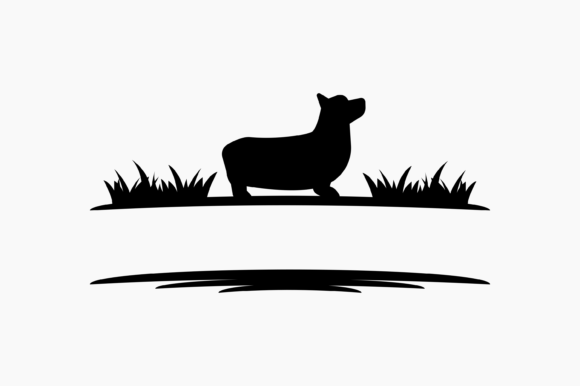
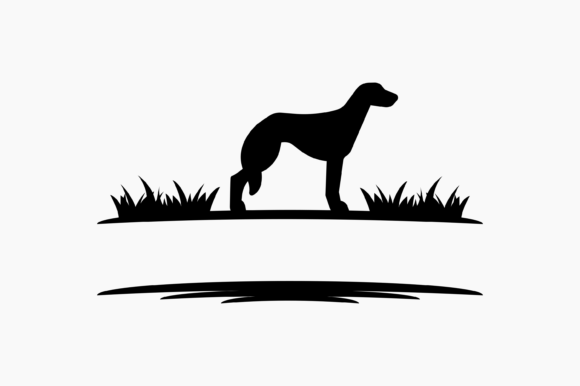
The Dog Saluki Monogram presents a graceful, elongated silhouette typical of the breed. The monogram style gives it a refined, almost heraldic feel — not cutesy or cartoonish. The shape is slender, with a long neck, deep chest, and curved tail. The overall mood is elegant, understated, and quietly sophisticated. This is not a design that screams for attention; it sits comfortably on a product and lets the viewer notice the breed details upon closer look.
The layout works well as a centered focal point or as a smaller accent. The open space around the dog shape means it can be stitched without overwhelming a garment or accessory. The visual personality leans into modern minimalism with a classic monogram aesthetic. It would look natural on neutral or earth-toned fabrics — think oatmeal sweaters, olive green tote bags, cream baby onesies, or navy caps.
From a craft business perspective, this design fits the growing demand for personal yet tasteful pet motifs. Clients who own Salukis or sighthounds often appreciate designs that avoid generic dog shapes. The breed-specific silhouette adds authenticity, which matters for Etsy sellers and boutique product makers who target niche pet owners.
Real-Life Embroidery Performance Across Products
I tested the Dog Saluki Monogram on a midweight cotton tote bag, a poly-cotton sweatshirt, a structured cap, and a linen kitchen towel. Each surface gave different feedback on stitch clarity and fabric behavior.
Custom Apparel: Sweatshirts and T-Shirts
On a sweatshirt, the design stitched cleanly as a single-color silhouette. The long neck and slim body require careful hooping and stabilizer choice. I used a tear-away stabilizer with medium weight and had no puckering. The thread pull was minimal because the design does not have dense fill areas. The Dog Saluki Monogram works beautifully on a chest or sleeve placement. For T-shirts, test on scrap fabric first — the height of the dog shape might push close to the neckline if you place it too high. I recommend a centered chest position about 2 inches below the collarbone.
Tote Bags and Aprons
Tote bags are forgiving surfaces, and this design looks especially good on canvas or cotton twill. The slim silhouette does not compete with the bag structure. I stitched it on a tote for my client and added a small monogram under the dog — the combination looked intentional and well-balanced. For aprons, the design sits naturally on the front bib area. It does not overwhelm the garment.
Baby Items and Nursery Decor
The elegant Saluki silhouette might seem unusual for baby items, but I tested it on a soft linen baby blanket as a personal project. The design came out delicate and tasteful — appropriate for a nursery with a nature or animal theme. The open areas and single-color stitch keep the blanket soft and flexible. I would use a medium-weight cut-away stabilizer for baby fabrics to maintain shape through washing.
Caps and Hats
Caps are tricky because of the curved surface and limited space. The Dog Saluki Monogram has a tall, slim profile, which can be a challenge on cap fronts. I tested it on a structured baseball cap and found the length needed to be scaled down slightly to fit the panel. The tapered shape works if you reduce the design height to under 2 inches. The long neck may push into the seam if you do not adjust. For caps, I recommend testing placement with a paper template first.
Patches and Appliqué
This design would convert well into an embroidered patch. The continuous silhouette is ideal for a satin stitch border. I did a quick patch test on felt with a medium density satin stitch edge. The result was clean and durable. For appliqué, you could cut the shape from fabric and stitch it down with a satin or running stitch. The breed silhouette is recognizable enough to work as a standalone patch for jackets, backpacks, or tote bags.
Where to Use This Design Carefully
No design works everywhere. The Dog Saluki Monogram has specific constraints that affect real project outcomes.
- Small hoop sizes: If you plan to stitch this on a small hoop (4x4 or smaller), the design must be scaled down. At small sizes, the fine detail of the neck and tail may become too narrow for clean stitched lines. Test at your target size on scrap fabric before stitching the final product.
- Textured or stretchy fabric: Fleece, heavy knit, or ribbed materials can distort the silhouette. The long thin sections of the dog shape can drag or stretch out of proportion. Use a cut-away stabilizer and low tension for stretchy fabrics. For textured fabrics, test a sample to confirm the design holds its shape.
- Dark fabric backgrounds: The Dog Saluki Monogram relies on silhouette clarity. On black or very dark fabric, the stitch density should be high enough that no fabric shows through the shape. If the design has open gaps inside the dog shape, those gaps will read as negative space. Make sure your thread color contrasts enough with the fabric so the silhouette remains readable.
- Frequent washing: For items like kitchen towels, baby blankets, or activewear, the design will be washed often. Use a high-quality polyester embroidery thread and a cut-away stabilizer to prevent fraying or distortion. The design’s slim lines may be vulnerable to thread breaks over time if not well stabilized.
- Layered garments: If the design is placed over a seam, pocket, or thick ribbing, the silhouette may become distorted. Avoid placement over uneven surfaces unless you stabilize the area thoroughly.
Visual Appeal, Product Value, and Customer Trust
When a customer buys a personalized gift or handmade product, they are paying for attention to detail. The Dog Saluki Monogram contributes to a premium look because it is breed-specific and tastefully styled. It suggests that the maker cares about accuracy and design quality, not just generic templates. For Etsy sellers and boutique product makers, this kind of design helps build a reputation for thoughtful customization.
The monogram aspect also increases the giftability. A Saluki owner receiving a tote or sweatshirt with this design feels seen. It is not a random dog outline — it is their breed. That emotional connection translates to positive reviews, repeat orders, and word-of-mouth referrals.
From a practical standpoint, the design works well in both color embroidery and single-color projects. Single-color stitching simplifies thread inventory and speeds up production. I stitched it in a deep charcoal on a cream sweatshirt and in white on a navy cap — both outcomes looked intentional and high-end.
For printable mockups and digital product previews, the SVG and PNG files make it easy to show customers how the design will look on a product before stitching. That transparency builds trust and reduces the chance of returns or dissatisfaction.
Practical Embroidery Designer Notes
Before you use the Dog Saluki Monogram in a commercial project or personal gift, here are the checks I recommend based on my testing.
- Test on scrap fabric first. Every fabric behaves differently. Stitch the design on a sample of your final fabric to check stitch clarity, thread tension, and stabilizer performance.
- Check thread color contrast. The silhouette effect works best when the thread color differs noticeably from the fabric. Hold thread colors next to your fabric before stitching.
- Review stitch density. Since the design is originally a cut file, the embroidery digitization (if you create your own stitch file from the SVG or EPS) may require density adjustments. Low density can create gaps; high density can cause puckering. Test multiple densities if needed.
- Confirm hoop size. Know the dimensions of the design before hooping. If the design is larger than your hoop, scale it down proportionally or plan a different placement.
- Inspect small details. The tail and neck area are the most delicate. Zoom in on your digitizing software or printed template to confirm those areas will stitch cleanly at your chosen size.
- Test in black and white mockups. Printing a black-and-white version of the design helps you see the negative space and silhouette clarity without color distraction.
- Compare light and dark fabric backgrounds. The same design can look completely different on white versus black fabric. Test both scenarios if you serve a range of client preferences.
- Use proper stabilizer. For most medium-weight fabrics, a tear-away stabilizer works fine. For stretchy or lightweight fabrics, switch to cut-away. For hats, use a stiff embroidery backing designed for caps.
- Confirm licensing before selling finished items. The Dog Saluki Monogram product listing states unlimited use for items like stickers, T-shirts, and mugs. However, if you plan to sell the finished embroidered products commercially or resell the digital file itself, verify the exact license terms. Some graphics allow unlimited physical product sales but restrict digital redistribution. Read the shop’s license policy carefully.
- Test in your specific embroidery machine. File formats provided are SVG, PNG, EPS, and DXF. These are not native machine embroidery formats (like PES, DST, or JEF). You will need digitizing software to convert the vector file into a stitch file compatible with your machine. Alternatively, you can use the PNG as a reference for manual digitizing. Test the stitch file before offering the design to clients.
Final Thoughts for Crafters and Small Shop Owners
The Dog Saluki Monogram is a worthwhile addition to your design library if you serve pet owners, appreciate clean silhouette aesthetics, or want a refined monogram-style motif for apparel and accessories. It performs best on stable, medium-weight fabrics and in single-color or limited-color projects. The breed-specific appeal gives it a distinct advantage over generic dog shapes, especially for Saluki enthusiasts and sighthound lovers.
In the Crafts category and Graphics asset type, this design meets the need for versatile, instant-download digital files. Just remember that embroidery requires additional conversion steps, and those steps affect the final quality. If you take the time to test, adjust density, and choose appropriate fabric and stabilizer combinations, the Dog Saluki Monogram can become a reliable option for personalized gifts, boutique merchandise, and custom apparel projects. My tote bag client was happy — and that is the real test.