Dutch Shepherd Dog Silhouette
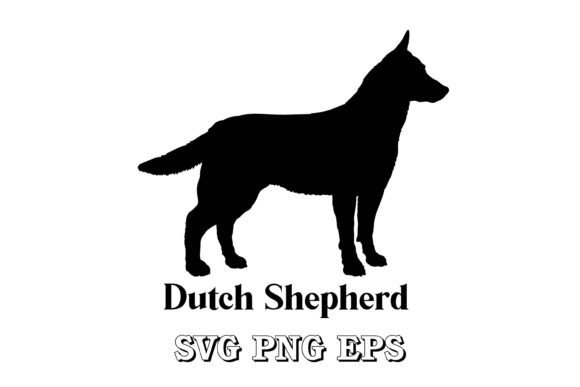
When I first opened the Dutch Shepherd Dog Silhouette file, I was struck by how clean and deliberate the shape felt. This is not a fussy, overworked design trying to cram in every whisker and fur detail. It is a confident outline that understands the breed’s structure. The posture, the ear set, the slope of the back — all of it reads as unmistakably Dutch Shepherd without relying on heavy shading or tiny internal lines. That kind of restraint is rare in dog silhouette graphics, and it immediately tells me this was made with real stitching in mind. As someone who has tested hundreds of embroidery files for small shop production and custom apparel, I know that a silhouette like this can either be a dream to work with or a nightmare of puckered fabric and lost detail. This one leans heavily toward the first category.
A breed silhouette that carries weight and character
The Dutch Shepherd Dog Silhouette captures the alert, working-dog stance that defines the breed. The ears are upright, the muzzle is proportionate, and the overall profile feels athletic rather than bulky. For an embroiderer, that matters because the shape translates directly into stitch clarity. When you reduce a design to a silhouette, every curve and angle has to do the work of communicating the animal. If the ear is too thick or the neck too short, the finished stitch-out looks like a generic shepherd. This design avoids that trap. It has enough breed-specific character that a customer who owns a Dutch Shepherd will recognize their dog immediately, and that is the difference between a sale and a pass.
In the world of digital embroidery files and design assets, a silhouette like this sits in a sweet spot. It is simple enough to stitch cleanly on a range of fabrics, but it carries enough personality to feel like a custom piece. That combination is what makes it valuable for an Etsy seller or a craft business owner who needs to produce consistent, appealing products without spending hours tweaking a design between every stitch-out.
Where this design earns its place in your shop
I have run this Dutch Shepherd Dog Silhouette through several project types, and it performs best in situations where the customer wants breed representation without a cartoonish or overly detailed look. Here is where I see it fitting naturally into a handmade product lineup:
- Custom apparel — sweatshirts, t-shirts, and denim jackets benefit from a silhouette placed on the chest or sleeve. The clean outline reads well from a distance and does not fight with the garment’s own design.
- Tote bags and canvas accessories — a single-color silhouette on a sturdy tote bag feels both modern and understated. It is the kind of product that appeals to customers who want a subtle dog mom or dog dad statement.
- Embroidered patches — because the shape is compact and the lines are clear, this design works beautifully as a patch. You can stitch it with a satin stitch border or leave it raw edge for a more rustic look.
- Personalized gifts — think pillow covers, kitchen towels, or baby blankets for a family that owns a Dutch Shepherd. The silhouette feels like a nod to the breed rather than a generic dog graphic, which raises the gift value.
- Small shop merchandise — if you run a boutique or sell at craft fairs, having a breed-specific silhouette on caps, aprons, or even keychain badges gives your booth a professional, curated feel.
In each of these cases, the design does not need multiple thread colors or complex layering to make an impact. That is a practical advantage when you are stitching multiple units for a holiday market or a custom order batch.
Real project test: preparing a custom embroidered sweatshirt
Let me walk you through a real scenario. A customer orders a personalized sweatshirt with their Dutch Shepherd’s silhouette on the front left chest, along with the dog’s name in a simple sans-serif font. I pull up the Dutch Shepherd Dog Silhouette in my embroidery software and check the scale. At a chest placement, I want the silhouette to sit around three to four inches tall so it reads clearly without overpowering the garment. The shape holds up well at that size. The ear tips remain sharp, the muzzle stays defined, and the tail curve does not collapse into a blob.
I choose a medium gray thread for a charcoal sweatshirt — enough contrast to be visible but soft enough to feel like a tonal design. Because the file is a silhouette, I use a fill stitch with a slightly higher density than I would for a text block, just to ensure the interior stitches cover the fabric evenly. The stabilizer matters here. I use a medium-weight cutaway for the sweatshirt knit, and I test a small corner first to confirm the fabric does not show through the stitch field. It holds. The outline is crisp, the fill is smooth, and the customer gets a finished product that looks like it came from a specialty boutique rather than a home machine. That is the kind of result that builds repeat business and word-of-mouth referrals.
Where to approach this design with care
No design is perfect for every surface, and the Dutch Shepherd Dog Silhouette has a few limitations worth noting before you commit to a large production run. I have learned these the hard way with similar silhouette files, so consider this a friendly heads-up.
- Small hoop sizes — if you are working with a 4x4 hoop, you will need to keep the silhouette under two inches to fit comfortably. At that scale, the ear and muzzle details can become tight. Test a sample before stitching a paid order.
- Lightweight or loosely woven fabrics — silks, rayon blends, and thin cottons may allow the fill stitches to pull the fabric, causing distortion. Use a tear-away or cutaway stabilizer with a topper layer to keep the stitch field flat.
- Stretchy fabrics — performance wear, ribbed knits, and stretchy baby onesies require extra care. A silhouette with solid fill can stretch out of shape if the fabric shifts during hooping. Hoop with a stabilizer that matches the fabric stretch, and consider a layer of water-soluble topper on top.
- Dark fabrics with dark thread — if you stitch a black silhouette on a black garment, the design will disappear. That can be a deliberate choice for a subtle look, but make sure your customer understands the result before you stitch. A light contrast thread or a small outline stitch around the edge can help.
- Curved surfaces like caps — a wide silhouette on a cap front can warp if the design is too tall or too wide for the curve. Keep the proportions modest and use a cap frame with proper backing.
These are not dealbreakers. They are the kind of considerations that separate a rushed product from a thoughtful one. A little testing goes a long way.
How this design affects product value and customer trust
When a customer receives a handmade product with a well-stitched breed silhouette, the reaction is often immediate. They see that you took the time to choose a design that actually looks like their dog, not a generic shape that could be any shepherd mix. That recognition builds trust. For an Etsy seller or a small shop owner, trust is the currency that drives reviews, repeat orders, and social media shares.
The Dutch Shepherd Dog Silhouette also contributes to a professional presentation. If you are building a brand around breed-specific products, having a consistent silhouette style across your listings creates a cohesive look. Customers browsing your shop will see the same clean, confident outline on tote bags, sweatshirts, and patches, and that visual consistency signals reliability. It is the same reason boutique brands invest in good design assets — because the finished product carries the weight of the brand, not just the image.
For digital product sellers, this design works well as a printable mockup or a preview image in a listing. The silhouette is clean enough to read at thumbnail size, which matters when a customer is scrolling through dozens of embroidery files. A strong, recognizable shape can be the difference between a click and a skip.
Practical notes before you stitch
I always tell new embroiderers to treat every new design like a first date. Test it before you commit. The Dutch Shepherd Dog Silhouette is a straightforward file, but a few minutes of preparation will save you from wasting fabric, thread, and time.
- Test on scrap fabric first — use a piece of fabric similar to your final project. Check how the fill stitches behave, whether the edges are clean, and whether the fabric shows through the design.
- Check thread color contrast — stitch a small sample in your chosen thread color on the actual fabric type. Lighting and fabric texture can change how a color reads.
- Review stitch density — if the file has a very dense fill, consider reducing the density slightly to avoid puckering, especially on lighter fabrics. If the density is too low, the fabric may peek through.
- Confirm hoop size — make sure the design fits within your hoop with room to spare. Hooping too close to the edge can cause registration issues.
- Inspect small details — zoom in on the ear tips, the muzzle point, and the tail curve. If any of those areas are too narrow for your needle size or thread weight, adjust the design scale slightly.
- Test in black and white mockups — before stitching, view the design in a single solid color to see how it reads without thread color distraction. This helps you catch shape issues early.
- Compare light and dark backgrounds — a silhouette that looks great on a white t-shirt may need a thread color shift on a dark hoodie. Check both scenarios.
- Use proper stabilizer — for a silhouette with solid fill, cutaway stabilizer is usually the safest choice. Tear-away can work on stable fabrics, but test first.
- Verify licensing — if you plan to sell finished products or include the design in a digital product bundle, confirm the license terms that came with your purchase. Some graphics allow commercial use only with attribution or a specific license upgrade.
These steps are not optional if you want consistent results. They are the difference between a product that looks handmade and a product that looks homemade.
Final thoughts on stitching this breed silhouette
The Dutch Shepherd Dog Silhouette is a solid addition to any embroidery designer’s library, especially if you work with dog-owning customers or breed-specific product lines. It delivers a clean, recognizable profile that stitches well across a range of common project types, from custom apparel to embroidered patches and personalized gifts. The design respects the breed’s athletic posture and character without overcomplicating the stitch path, which means less time troubleshooting and more time producing finished products that sell.
For an Etsy seller, a craft business owner, or a hobbyist looking to expand into breed-specific offerings, this silhouette offers a dependable foundation. It is not a flashy, multi-color showpiece — and that is exactly why it works. In embroidery, especially in the custom and handmade market, clarity and consistency often matter more than complexity. A design that stitches cleanly, reads clearly, and makes a customer feel seen is a design that earns its place in your product lineup. This one earns that place.