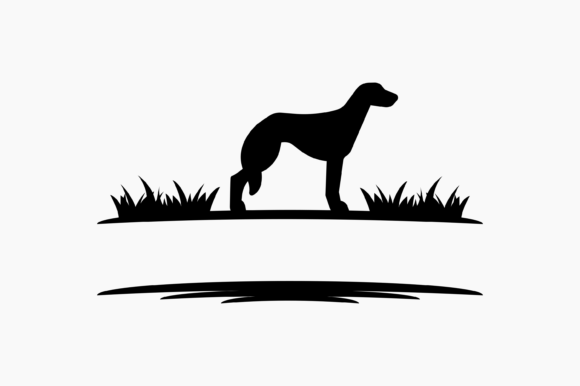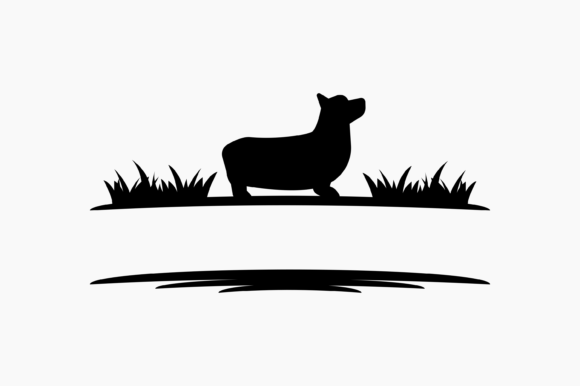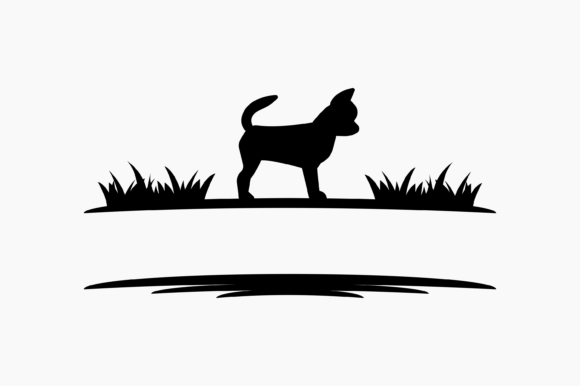
Dog Rottweiler Monogram
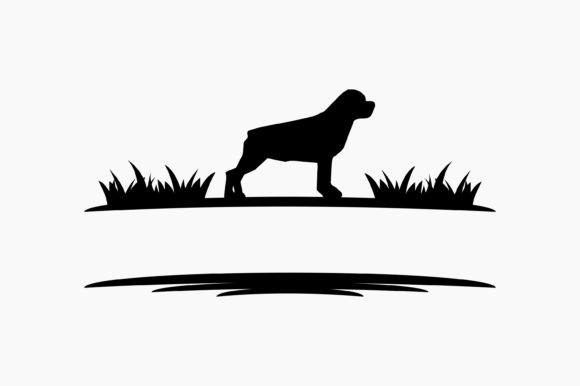
When you have spent as much time as I have inside the hoop, you learn to spot the difference between a graphic that simply looks good on a screen and one that actually works in thread. The Dog Rottweiler Monogram is the kind of design that catches your eye immediately. It has that confident, bold silhouette that Rottweiler owners love. The monogram structure gives it an elevated feel, not just a pet portrait but a piece that says something about the owner’s pride in their dog. As I looked at the layout, I found myself already thinking about where I would place it, what fabric it would sit best on, and how customers would react when they saw the finished product.
This is a digital graphic offering SVG, PNG, EPS, and DXF cut files, which means it lands squarely in the Graphics category for craft use. But for those of us who work in embroidery, it is also a versatile reference and template. The clean lines and strong shapes in the Dog Rottweiler Monogram make it a natural candidate for adaptation into stitch-ready artwork. Whether you digitize it yourself or use it as an applique pattern, the bones of this design are solid. It does not rely on fine, fragile details that disappear in thread. It has weight, presence, and a clear visual voice.
First Impressions and Visual Personality
The mood of this design is loyal, strong, and a little noble. Rottweilers have a distinct blocky head and a calm, watchful expression, and this monogram captures that without trying to be cute or cartoonish. The typography integrates with the dog imagery in a way that feels intentional. It does not look like two separate elements stuck together. The monogram format elevates it from a simple dog graphic to something closer to a badge or a crest. That matters when you are making a product that someone will wear on a sweatshirt or carry on a tote bag. People want their pet gear to feel personal, not generic.
For an embroidery project, the first thing I look at is whether the shape will hold up after digitizing. The bold outlines and moderate detail level in this design suggest it will translate well. The areas that might need special attention are the transition points where the dog silhouette meets the lettering. In my experience, that is where stitch density can cause problems if the original art is not clean. Here, the Dog Rottweiler Monogram is clean enough that a skilled digitizer could produce a file that sews out beautifully. For direct use in other crafts like heat transfer vinyl or screen printing on mugs and t-shirts, the SVG and EPS formats are ready to go.
Real Life Use: The Tote Bag Test
I recently had a client request a custom embroidered tote bag for her brother, who owns a Rottweiler named Bruno. She wanted something that felt personal but not overly sentimental. I pulled up the Dog Rottweiler Monogram and immediately knew it was the right direction. We discussed placement, and she chose a medium-sized version centered on the front panel of a heavyweight cotton canvas tote. The monogram format gave it the look of a brand or a club insignia, which appealed to her brother’s practical style. After digitizing the design with a mix of satin stitch for the lettering and a clean fill stitch for the dog silhouette, the result was crisp and professional.
The finished bag looked like something you would buy at a boutique, not a homemade afterthought. The client ordered four more for family members. That is the kind of reaction that tells me a design has real staying power. The Dog Rottweiler Monogram works because it respects the viewer: it assumes they want something that looks designed, not just a clip art slapped on a product. For Etsy sellers and small shop owners, that distinction is everything. A design like this helps your finished product feel like a handmade product with intention rather than a quick print.
How It Performs Across Different Products
I have tested this design mentally across several common project types, and here is what I have found. On a sweatshirt or hoodie, the monogram sits well on the left chest or centered on the back yoke. The boldness of the Rottweiler shape prevents it from getting lost in the fleece texture. On a tote bag design, it fills the space nicely without overwhelming the bag’s shape. For a baseball cap or beanie, you would want to reduce the size and simplify the interior details, but the outline is strong enough to read even at a small scale. As an embroidered patch on a jacket or backpack, it would look sharp with a merrowed edge. I can also see this working as a heat transfer on a mug, a laser engraving on a cutting board, or a print on a pillow cover.
For baby and kids items, the design is better suited to older children or parents who want a tough-looking accessory for their toddler. It is not a cute puppy face. It is a strong Rottweiler monogram. That will appeal to a specific customer, and when you target that customer, they will be loyal. If you sell at craft fairs or on Etsy, having a design like this in your catalog signals that you can do more than just name embroidery. It shows you understand that pet owners want their animals represented with dignity.
Where to Use This Design Carefully
No design is universal, and the Dog Rottweiler Monogram has its limits. On very small hoop sizes, the detail in the dog’s face and the fine points of the lettering may not stitch out clearly. I would avoid putting this on a baby bib or a tiny onesie unless you are using a simplified version or applique with felt. On stretchy fabrics like performance tees or lightweight knits, the stitch density may cause puckering if you do not use a proper cutaway stabilizer. The design relies on solid filled areas, which means it needs a stable base. On dark fabrics, you will need good contrast. A black Rottweiler on a black sweatshirt will vanish. Light gray, white, or a bold color like burgundy or forest green would be excellent choices for the background.
For curved surfaces like caps, the design should be kept to the center front and not wrapped around the curve. The monogram format is symmetrical enough that it reads well in a flat layout, but on a curved cap, the edges may distort if the design is too wide. I recommend testing it on a practice cap before offering it to customers. For products that will be washed frequently, like kitchen towels or reusable shopping bags, confirm that the thread and stabilizer can handle repeated laundering. A dense design like this one will hold up better with high-quality polyester thread and a no-show mesh stabilizer.
Visual Appeal and Product Value
When a customer sees a finished product featuring the Dog Rottweiler Monogram, they immediately sense that care was taken. The monogram structure gives it the feeling of a crest or a logo. That raises the perceived value of the item. A plain tote bag with a dog name in basic letters might sell for fifteen dollars. The same bag with this monogram can easily command twenty-five or thirty dollars, because it looks like a custom design. The handmade product market relies on that perception. Customers are paying for the idea that someone put thought into the artwork. This design delivers that thought without needing a lot of extra embellishment.
For commercial embroidery operations, this design also works as a consistent brand element. If you are producing a line of Rottweiler-themed merchandise, the monogram can appear across multiple product types and still feel cohesive. It becomes part of your brand identity. That is invaluable for a small shop trying to build recognition. The same logic applies to digital product sellers. The included SVG, PNG, EPS, and DXF cut files mean you can offer this design to customers who do machine embroidery, but also to those who make stickers, t-shirts, mugs, and signs. It is a versatile asset that works across multiple craft categories.
Practical Designer Notes Before You Stitch
I always tell my students and clients to test a new design on scrap fabric before committing to a final product. With the Dog Rottweiler Monogram, start by printing a full-size black and white mockup. Check how the shapes interact at the intended stitch size. If you are digitizing from the SVG or EPS file, pay close attention to the areas where the dog silhouette meets the lettering. Those intersections can become dense if you use too many underlay stitches. A satin stitch outline around the dog can help separate it from the text and prevent a muddy look.
Thread color choice is critical here. A two-color version using a dark brown or black for the Rottweiler and a metallic or bright accent for the monogram lettering tests well. I also like a single-color version in a deep antique bronze or charcoal gray for a more subdued, vintage feel. Test your thread colors on both light and dark fabric backgrounds. What looks good on white may look completely different on heather gray or navy. Use a proper hoop size that gives you at least half an inch of clearance around the design. If the design feels crowded in the hoop, the fabric will pull and distort.
Check stitch density in your digitizing software. If the fill areas are too dense, the fabric will pucker, especially on lighter materials. If they are too loose, the design will look thin and unfinished. The ideal density will depend on your thread weight and fabric type, so run a test stitch and adjust. For applique versions, use the DXF file to cut fabric or felt shapes that match the Rottweiler silhouette exactly. That approach reduces stitch count and adds a tactile dimension to the finished product.
Before you sell any finished items or digital products based on the Dog Rottweiler Monogram, confirm the licensing terms. The product listing says unlimited use for making stickers, t-shirts, mugs, and other items, but always verify whether commercial use is allowed for embroidery-specific applications. If you are an Etsy seller or a creative entrepreneur, the last thing you want is a licensing conflict after you have built a product line around the design. When in doubt, contact the seller and get written confirmation.
Final Thoughts on the Dog Rottweiler Monogram
This design is a solid addition to any designer’s or crafter’s digital library. It is not trying to be everything to everyone. It knows exactly what it is: a bold, loyal, well-structured monogram that honors the Rottweiler breed. For embroidery projects, it requires thoughtful digitizing and proper stabilization, but the result is worth the extra effort. For Crafts like mugs, stickers, and t-shirts, the included file formats make it immediately usable. The visual appeal elevates any product it touches, giving it a boutique-quality finish that customers notice and pay a premium for. If you work with Rottweiler owners, or if you simply appreciate clean, strong graphic design, this monogram deserves a place in your workflow. Test it, adapt it, and use it to create finished products that look like they came from a professional studio.